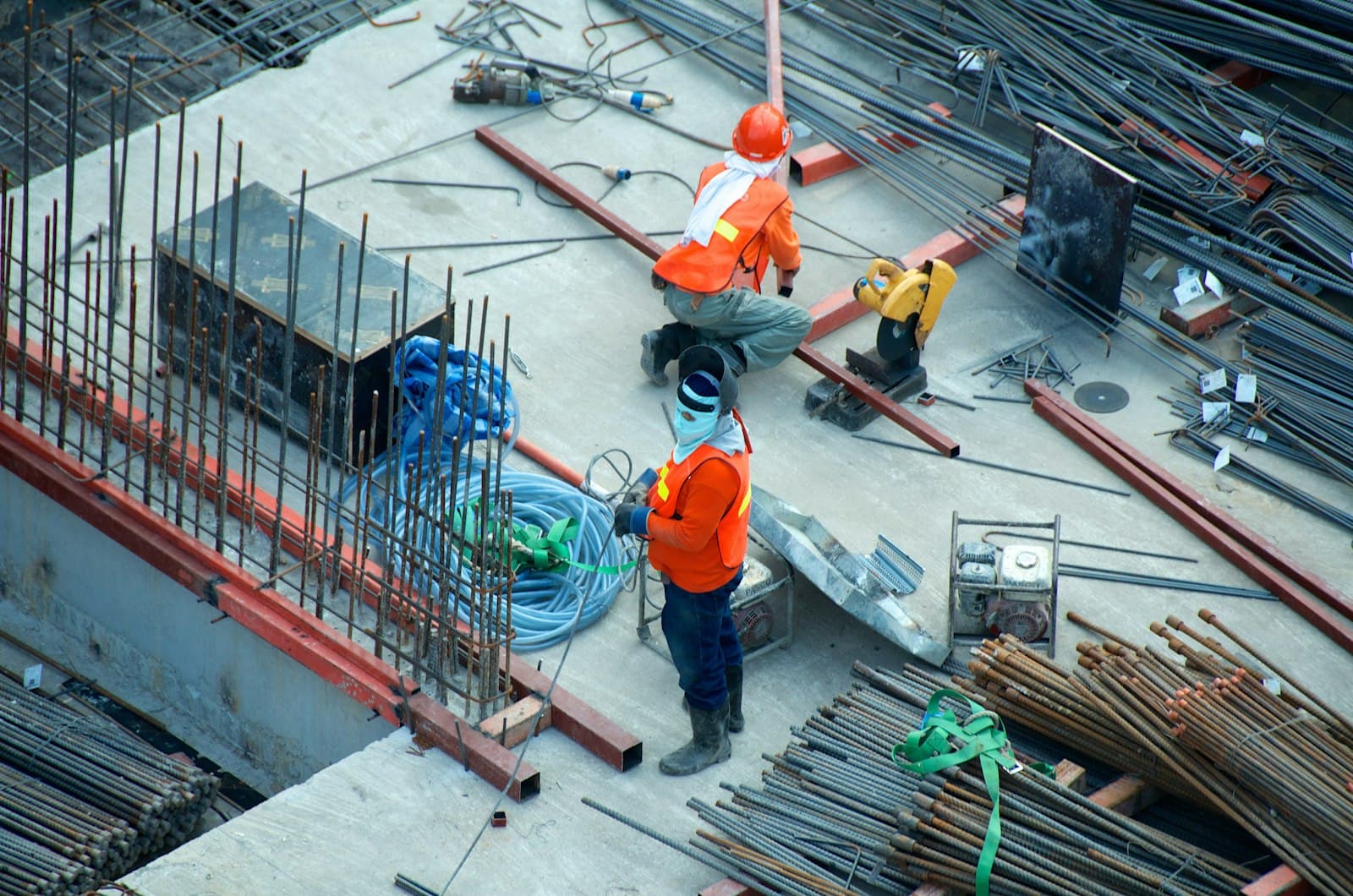
Site workers wearing hard hats and high-visibility vests
About Us

Safety Operation Procedures

Our engineers work inside live switchyards, on transmission towers and communication masts, and on energised control panels. Every site visit follows the same procedure — no job starts until the work is authorised, isolated and briefed.

Stop work authority

Every STEL engineer has the authority — and the duty — to stop work if conditions become unsafe. No job is so urgent that it cannot be done safely.

Procedures

The rules we follow on every site

01

Permit to work & isolation

  • No work in a substation or switchyard without a written permit to work (PTW) from the station in-charge.
  • Isolate, lock out and tag out (LOTO) before touching any circuit — keys held by the permit holder.
  • Test before touch: prove dead with an approved voltage detector, then apply earths.
  • Work only within the limits and time written on the permit; return the permit on completion.

02

Personal protective equipment

  • Safety helmet, electrical safety shoes and high-visibility jacket on every site.
  • Insulating gloves of the correct voltage class for LV and control panel work.
  • Full-body harness with double lanyard for any work at height.
  • Safety glasses for drilling, cutting, splicing and termination work.
03

Work at height — towers & masts

  • Only trained climbers work on towers and masts — never alone.
  • 100% tie-off: one lanyard attached at all times while climbing.
  • No climbing in rain, lightning or high wind.
  • Tools lifted in bags on a hand line; the drop zone below is barricaded.
  • Rescue plan and a first-aid-trained person on site before climbing starts.
04

Switchyard & HT areas

  • Maintain safe working clearances from live conductors as per the CEA safety regulations and the utility's rules.
  • Enter the switchyard only with the authorisation of, or escorted by, utility / plant staff.
  • Never open a CT secondary on load — short the CT secondaries before disconnecting a meter or transducer.
  • Never short a PT secondary; isolate through the PT fuses / MCBs.
  • Treat every conductor as live until it is proved dead.
05

Control panel & DC work

  • Isolate the panel DC supply and battery before any wiring change.
  • Check polarity and voltage before connecting the RTU / MUX supply.
  • Verify panel earthing continuity before energising.
  • Use insulated tools; remove rings, watches and metal accessories.
06

Fibre optic & laser safety

  • Never look into a fibre end or connector — the laser light is invisible.
  • Switch off or disconnect the light source before inspecting connectors.
  • Collect fibre off-cuts in a marked container; never leave shards on the floor.
  • Wear safety glasses while cleaving and splicing.
07

RF radiation safety

  • Switch off the transmitter before working in front of an antenna.
  • Keep clear of the main beam of operating microwave and radio antennas.
  • Follow the operator's RF exposure limits on shared telecom towers.
08

Emergency preparedness

  • First-aid kit and emergency contact numbers on every site.
  • Nearest hospital identified before work begins at a remote plant.
  • Fire extinguisher suitable for electrical fires (CO₂ / dry powder) near the work area.
  • Every incident and near-miss reported the same day.
Technician wearing a hard hat, safety glasses and gloves
Before every job

Pre-job checklist (toolbox talk)

  • Permit to work received and understood
  • Isolation points locked, tagged and proved dead
  • Earths applied where required
  • PPE checked and worn
  • Job hazards and responsibilities discussed with the team (toolbox talk)
  • Emergency contacts, first aid and escape route confirmed
Standards

Rules and regulations we work to

Central Electricity Authority (Measures relating to Safety and Electric Supply) Regulations

Utility (TRANSCO / DISCOM) and plant-owner site safety rules and permit systems

Tower owner / operator rules for work on shared telecom towers

Safety is built into every procedure

See how these rules apply stage by stage in our work procedures.